Dry Wells
Which hand pumps in East Africa are likely to fail before the next dry season?
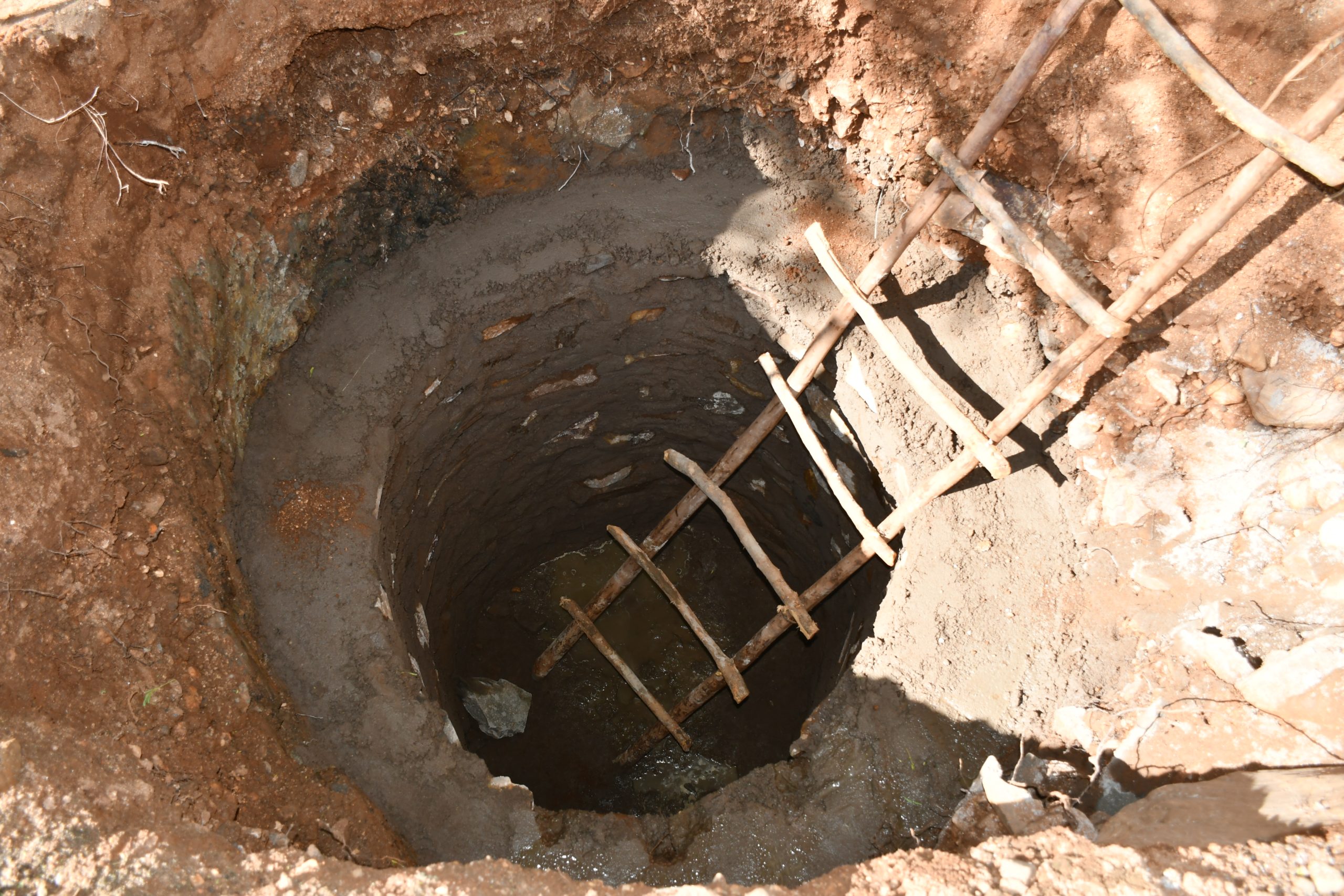
Image Credit: Jamie Heminway
In East Africa, hand pumps fail most during droughts, when people need them most, and repairs come after the failure. The Water Point Data Exchange holds records of whether pumps were working at each survey, and in Uganda many pumps have been surveyed more than once. For pumps that worked at one survey, we will train a model to predict which had failed by the next, using rainfall, groundwater and vegetation conditions in the season before as well as the pump's type and age. The result is a district map of pumps likely to fail before the next dry season.
Research questions
For Ugandan pumps that were working at one survey, do drought conditions in the season before the next survey help predict which ones failed, beyond what pump type, age and aquifer already tell us?
Which districts have the highest share of pumps likely to fail before the next dry season?
Datasets
Water Point Data Exchange records for Uganda, with survey dates, working status and installation year
British Geological Survey Africa Groundwater Atlas, for aquifer type and depth to water
CHIRPS rainfall, GRACE-FO groundwater storage, MODIS vegetation and SMAP soil moisture, as anomalies in the months before each survey
OpenStreetMap roads, for distance to the nearest market town
WorldPop population within one kilometer of each pump
Machine learning
A gradient boosting classifier that predicts failure by the next survey from the drought anomalies plus pump type, age, aquifer and road distance, with every drought feature computed from a window ending 90 days before the survey
The same model without the drought features, as the baseline it has to beat
GIS
Join each pump to its aquifer type and depth to water from the groundwater atlas
Compute road distance to the nearest market town by network routing
Sample the rainfall, groundwater, vegetation and soil-moisture anomalies at each pump for the window ending 90 days before its survey
Aggregate predictions to districts as the share of pumps at high risk
References